The Kabul Assignment
Kabul was hot. Oppressively hot.
The kind of heat that settles into your bones and refuses to leave. The kind that makes you question every decision that led you to this moment—including the decision to accept this particular assignment in the first place.
I’d entered Afghanistan via Dubai a week earlier. The flight was full—a surprising number of people willing to fly into a country most of the world was still trying to forget. The foreigners were mostly NGO workers, their optimism and earnestness visible even from a distance. Perhaps a few tourists—the adventurous type who collect difficult countries like stamps. A handful of Chinese businessmen in the front rows, already working on their laptops before takeoff, no doubt calculating the return on investment for whatever infrastructure project had brought them here. The rest were Afghans—families who had built lives abroad but still maintained connections to home. Returning to visit relatives, to attend weddings or funerals, to remind themselves and their children where they came from. Their faces held a mixture of anticipation and apprehension that I recognized. Coming home is never simple when home has changed so much in your absence.
My pretext for this assignment was simple: I was a tourist. In situations like this, simple is always better than clever. Complex cover stories have too many moving parts, too many opportunities to contradict yourself or forget details under pressure.
The first few days were spent cementing that pretext. I hired a local guide—a necessity in Kabul, both for access and for maintaining appearances. We visited the bird market, where men gathered to trade songbirds and argue about politics. Sakhi Shrine, with its stunning tile work. Bagh-e Babur, the terraced gardens where Babur himself was buried. All the places a curious foreigner might want to see.
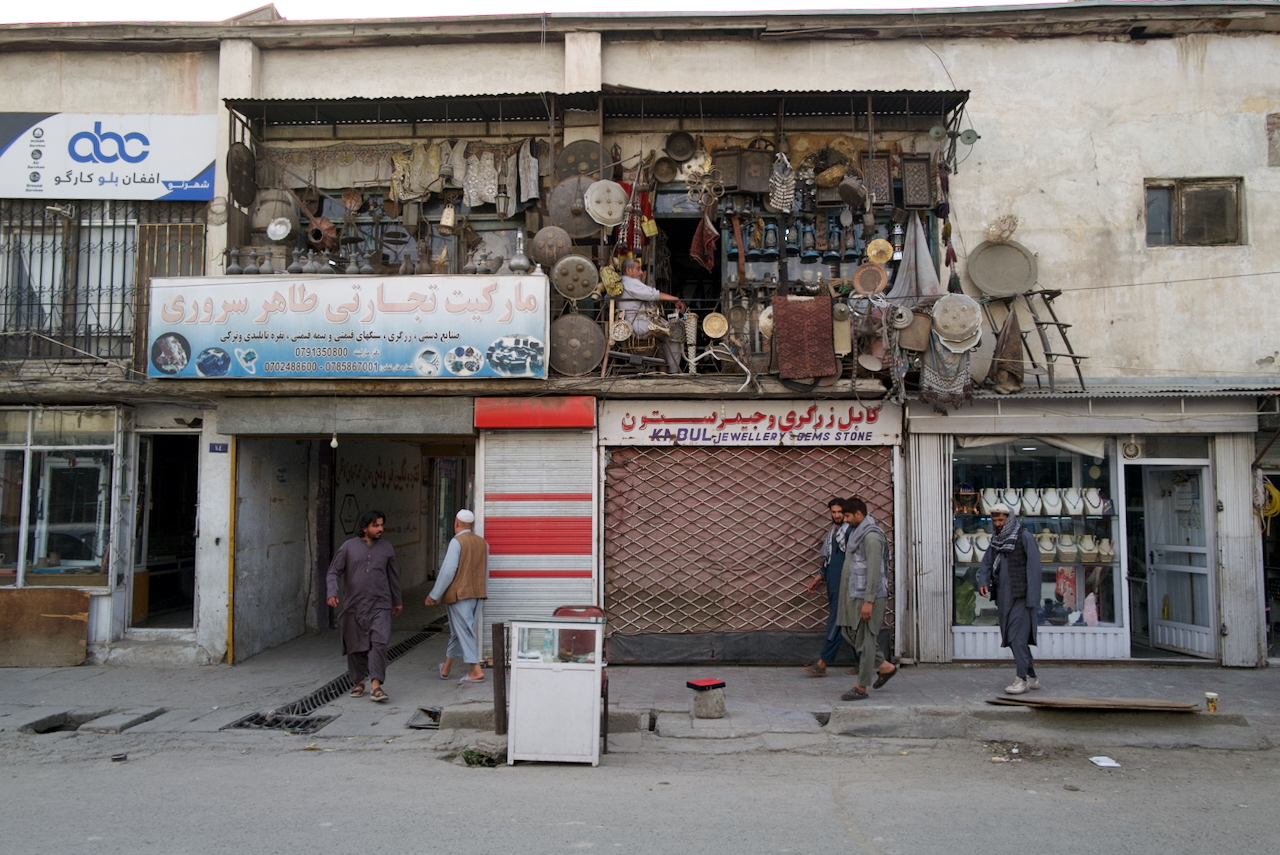
My guide was a decent person. Mid-thirties, spoke excellent English, had kind eyes that had seen too much. He was also transparent about the fact that he reported my activities to Taliban intelligence. He’d been arrested once before for failing to inform on a foreign traveller. A month in their custody had taught him the value of cooperation.
“I tell them everything you do,” he explained on our second day together, as casually as if he were discussing the weather. “Where we go. What you ask about. What you photograph. This way, they know you are just a tourist. It protects both of us.”
I appreciated his honesty. It also meant I had to be exceptionally careful to maintain my pretext when he was around. Everything I did during our time together had to look exactly like what a curious, slightly naive tourist would do. I asked questions about daily life. I took photographs of architecture. I bought local clothing—not as a disguise, but because it was practical and showed respect for local customs.
What I couldn’t tell him was that I would do everything possible to ensure my real work didn’t come back to haunt him. The last thing I wanted was for a good man to suffer because he’d unknowingly guided an assassin around the city.
Kabul still felt like a warzone, even years after the Taliban takeover. Barricades. Barbed wire. The massive concrete blast walls—some as high as fifteen feet—that carved the city into fortified sections. Taliban checkpoints were still in place in some areas, particularly surrounding what used to be called the Green Zone, though that name had become an anachronism.
The Taliban themselves were omnipresent in some districts, nearly invisible in others. Most were polite enough. A few even spoke English—young men who’d grown up before the American withdrawal and had retained some of that education. One helped me adjust my scarf one afternoon to better protect against the sun. Good advice, which I took.
After a few days of adjustment—to the heat, to the culture, to the constant low-level tension of being somewhere I didn’t belong—I felt more comfortable moving around. The men in the streets weren’t hostile to foreigners. In fact, quite the opposite. Several struck up conversations, curious about where I was from and what brought me to their country. Women were present but less visible, eating in the family sections of restaurants, moving through the streets in groups, their faces covered.
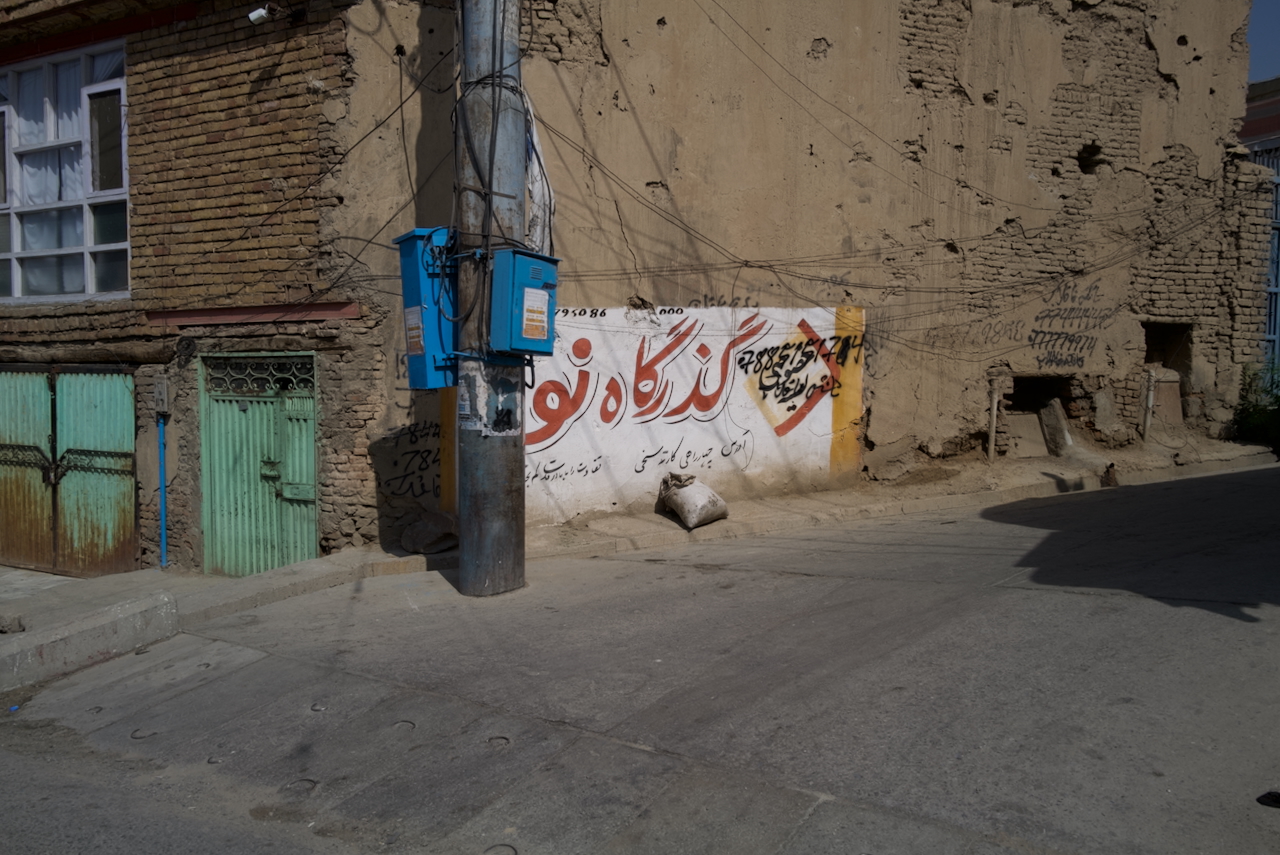
My target wasn’t a member of the Taliban. Rather, he was a local businessman with connections to more extreme elements in the country. Elements that even the Taliban found problematic. Beyond that, I didn’t ask questions. That was my practice, and I saw no reason to deviate from it here.
I had his office address—a commercial building in one of the better parts of town. The building had its own security: two guards at the entrance, both armed, both alert. I walked past it twice, careful not to linger or show too much interest. Just another foreign visitor getting slightly lost in an unfamiliar city.
I didn’t know where he lived, but I wasn’t too concerned. Residential areas were off-limits for operational work in Kabul. Too many variables. Too many potential witnesses who would remember the foreigner who didn’t belong in their neighborhood.
The key challenge was my visibility. While there were some travelers in Kabul, they were few and far between. Even dressed in local clothing—a perahan tunban and a scarf wrapped around my head and neck (I’m sure there’s a proper local name for it, but I never learned what it was)—I stood out. After a couple of days, I realized people were beginning to recognize me on the street. The foreign tourist. The one with the camera. The one who smiled too much. That was problematic.
I consciously planned my walking routes to avoid repeated exposure in the same areas. I bought several different perahan tunban and scarves so I could vary my appearance slightly each day. Even with my scraggly excuse for a beard—grown over the past month in preparation for this assignment—I was still clearly a foreigner up close. But at a distance, especially at night, I was largely indistinguishable from other men moving through the darkened streets. That was all that mattered.
The scarf was particularly useful. Wrapped properly, it could cover most of my face—a sensible precaution against both the sun and recognition. In the heat of the day, no one questioned it. In the evening, it was just another man protecting himself from the dust and diesel fumes.
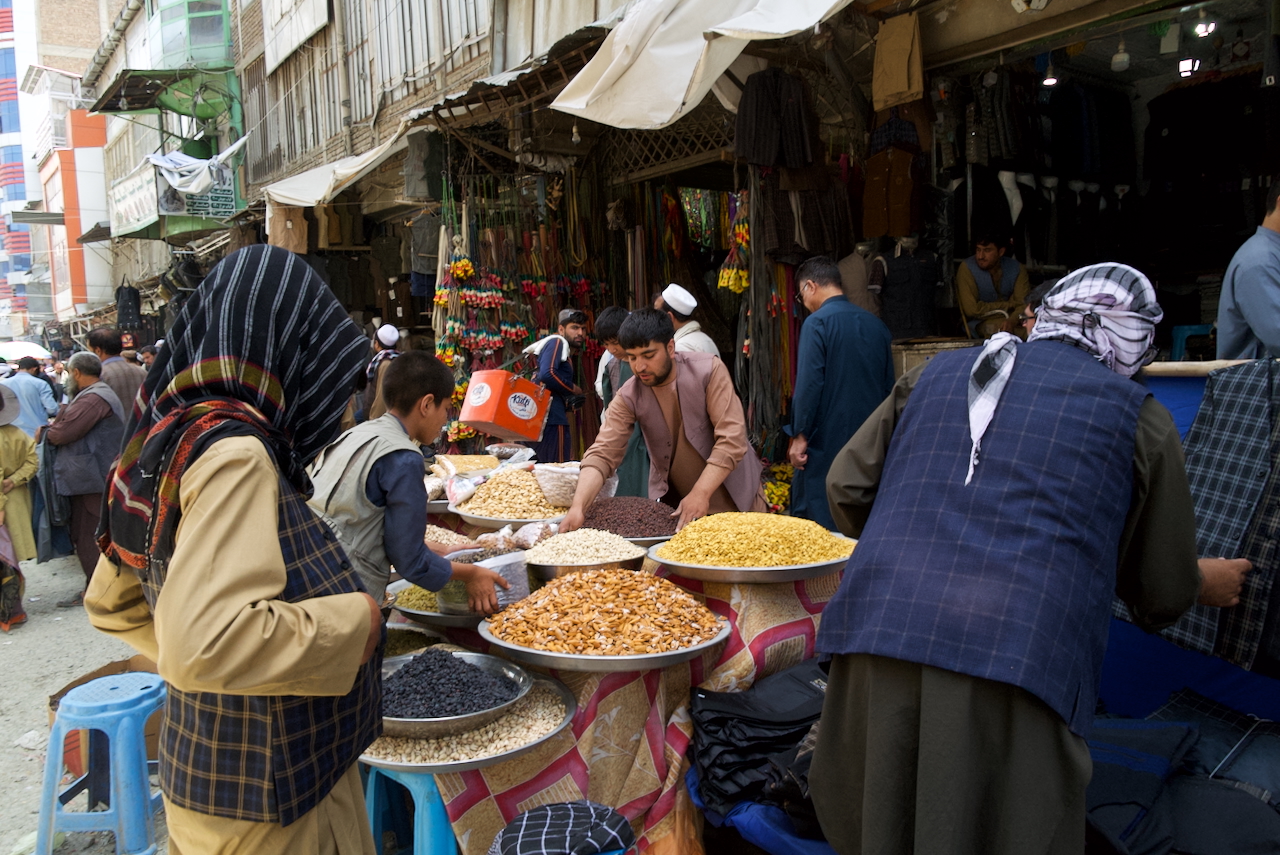
I spent four days watching him leave his office.
My routine was exhausting. Mornings with my guide, maintaining my pretext. Afternoons alone, conducting reconnaissance. Evenings tracking my target’s movements. By day three, I was running on five hours of sleep, my eyes gritty with fatigue.
I requested later start times with my guide—10 a.m. instead of 8 a.m.—claiming I needed more time to myself in the mornings. He didn’t question it. Foreigners were eccentric.
I worried the guesthouse might notice my unusual patterns—leaving late at night, returning just before midnight. But the only person around at those hours was the old security guard at the entrance. A weathered man who spent most of his shift sleeping in a plastic chair, occasionally waking to wave me through with barely a glance. I doubted he would care about my schedule, and even if he did, I doubted anyone would ask him about it.
What I learned during those four days of surveillance:
The target wasn’t protected. No security detail. No bodyguards. He moved through the city with the confidence of someone who believed himself untouchable. Whether that protection came from his business connections, his political alliances, or his faith in God’s providence, I couldn’t say. It didn’t really matter. Overconfidence was overconfidence, regardless of its source.
Each evening, he followed the same pattern. Left his office between 7:30 and 8:00 p.m., always walking, never taking a vehicle for this particular journey. He would move along a street adjacent to a small park. The street was typically busy—vendors selling grilled chicken, men sitting at tea stalls, groups of young men walking together. But the lighting was uneven, creating a patchwork of harsh glare from shop fronts and deep shadows between them.
Smoke from the cooking fires at the street-side restaurants spilled out onto the street, further obscuring vision. A thick haze that caught in your throat and stung your eyes. And running down the side of the road was a deep drainage ditch—perhaps three feet wide and four feet deep. The kind of open sewer common in this part of the world.
I believed I’d found my opportunity. But I couldn’t be certain. Not until I tried.
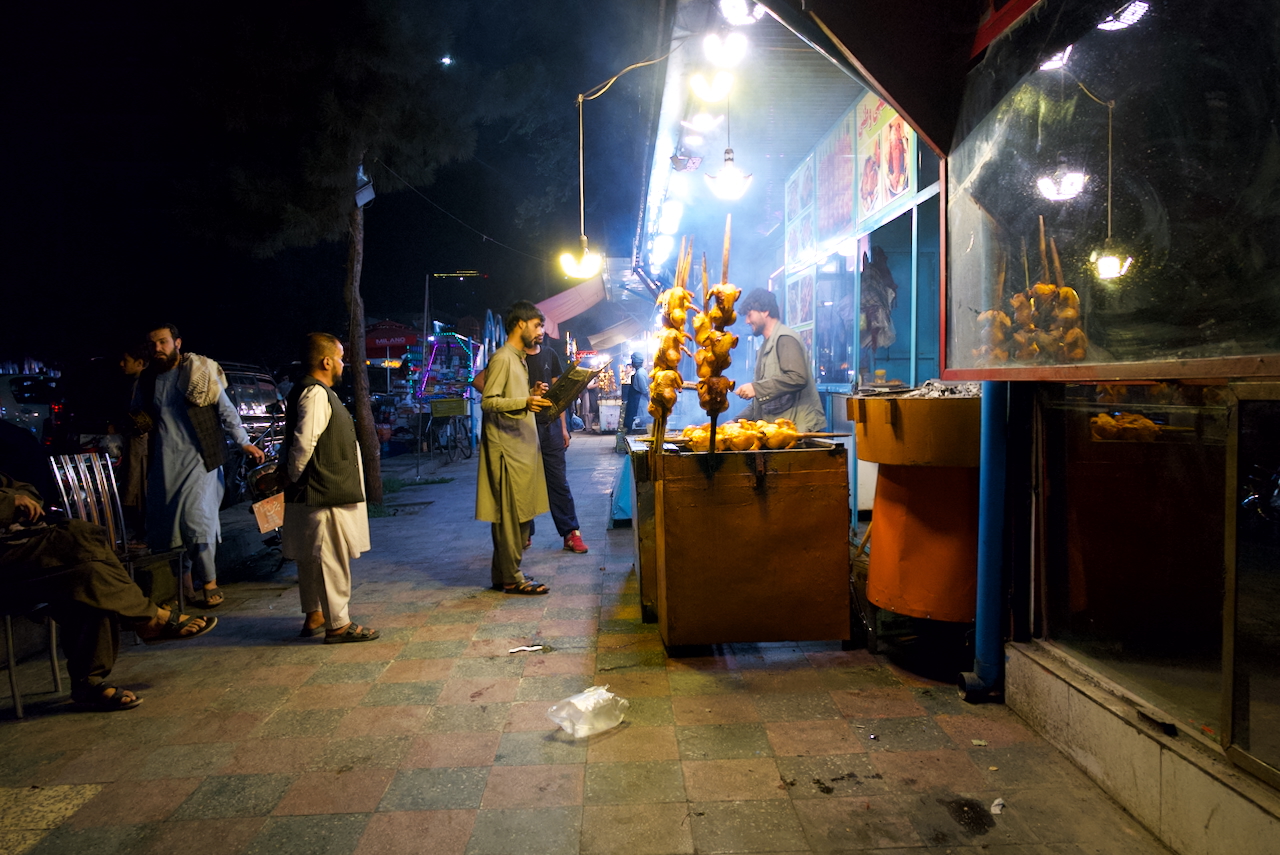
The first night, I positioned myself ahead of him on the route. I let him pass, then fell in behind him. Close. Just a few meters back. Close enough to strike if the moment presented itself.
It didn’t.
Too many people. Too much light. A group of young men were walking the same direction, laughing about something. A vendor called out to me, trying to sell me roasted meat. The target stopped to exchange greetings with someone he knew.
I kept walking, passing him, disappearing into the evening crowd.
No matter. There would be other nights.
* * *
The second night, there were fewer people.
The smoke from the cooking fires was thicker. The haze caught the streetlights and diffused them into soft, useless orbs of illumination. Perfect.
I let him move past me, then moved up behind him. Closing the distance. Three meters. Two meters.
I turned to check behind me. No one close. The nearest group was perhaps twenty meters back, barely visible through the plume of illuminated smoke. I could barely see them. I doubted they could see me.
My hand found the dagger beneath my perahan tunban. The familiar weight. The lanyard tight around my wrist. In one movement I thrust the dagger into the side of his head, just behind and above the temple. The triangular blade found its target. I felt the initial resistance, then the sudden give as it penetrated. I pushed forward, then pulled back, cutting through critical tissue.
I shoved him sideways into the drainage ditch. His body hit the concrete side and tumbled into the darkness below. A splash. Then silence.
I kept walking, maintaining the same pace. Just another man heading home after a long day.
I waited for the sound of the street to change around me. For shouts. For someone to notice. For the world to react to what had just happened.
Nothing.
I turned left at the end of the street, then right, then left again, moving deeper into the shadows of the residential areas. I found a dark corner—a small alley between buildings—and waited. Concealed. Watching for anyone who might have followed me.
Nothing. Just the normal sounds of the city at night.
Crouching in the shadows, I used the bottle of water I carried to wash my hands and my dagger. A preliminary cleaning. Enough to remove the visible blood, but I would do a more thorough job once back at the guesthouse.
My hands were steady. My breathing was calm. Another job complete.
* * *
My flight didn’t leave for another three days. Standard practice—never rush to leave after a job. But staying in Kabul felt like an unnecessary risk. Too small a city. Too few foreigners. Too many opportunities for someone to remember seeing me near that street.
I arranged with my guide to spend two nights in Bamyan. A reasonable request from a tourist. The Buddha statues—or what remained of them after the Taliban destroyed them in 2001—were supposedly worth seeing. The guide was enthusiastic about the trip, happy to have the work.
We took a shared taxi—a long, bone-rattling journey through mountain roads. Bamyan itself was beautiful. Cooler than Kabul. Quieter. The massive niches where the Buddhas once stood were both haunting and strangely peaceful. Empty spaces where something sacred had been.
I took photographs. I asked questions. I wrote in my notebook. I was exactly what I appeared to be: a curious foreigner documenting a country most people only knew through news reports and history books.
The guide never suspected anything. Why would he? In his experience, I had done nothing more interesting than visit tourist sites and ask naive questions about Afghan history.
Three days after the killing, I boarded my flight in Kabul. The airport security was tight—multiple checkpoints, each one staffed by men who took their jobs seriously. I was searched three times before reaching the departure gate, my bag examined with methodical thoroughness at each station. But I had nothing to hide. A camera full of tourist photos. A notebook filled with observations about Afghan culture and history. The worn perahan tunban folded in my luggage. I was exactly what I appeared to be: a perfectly legitimate visitor leaving after a perfectly legitimate trip.
As the plane lifted off, I looked down at Kabul spreading below. Somewhere down there, a body had been found in a drainage ditch. Perhaps the authorities were investigating. Perhaps they weren’t. In a city that had seen so much death, one more body barely registered.
I settled into my seat and closed my eyes. The heat of Kabul already felt like a memory. Just another city. Just another job. Just another name I would eventually forget, though his face—that final expression of surprise—would probably stay with me for a while.
They always did, at first.
In my bag, my phone waited. I’d turned it off before entering Afghanistan and hadn’t powered it back on yet. When I did, there might be a message. A city and a date. Or there might be nothing—a few weeks of quiet before the next assignment arrived.
Either way, I was already thinking ahead. Dubai for a day or two. Then home. Back to the routine. Back to the life that existed between the jobs.
The plane leveled off, and I let myself drift. For now, there was nothing to do but wait. Nothing to plan. Nothing to worry about.
Just the hum of engines carrying me away.